Low Taper Mullet: The Complete Guide to This Haircut
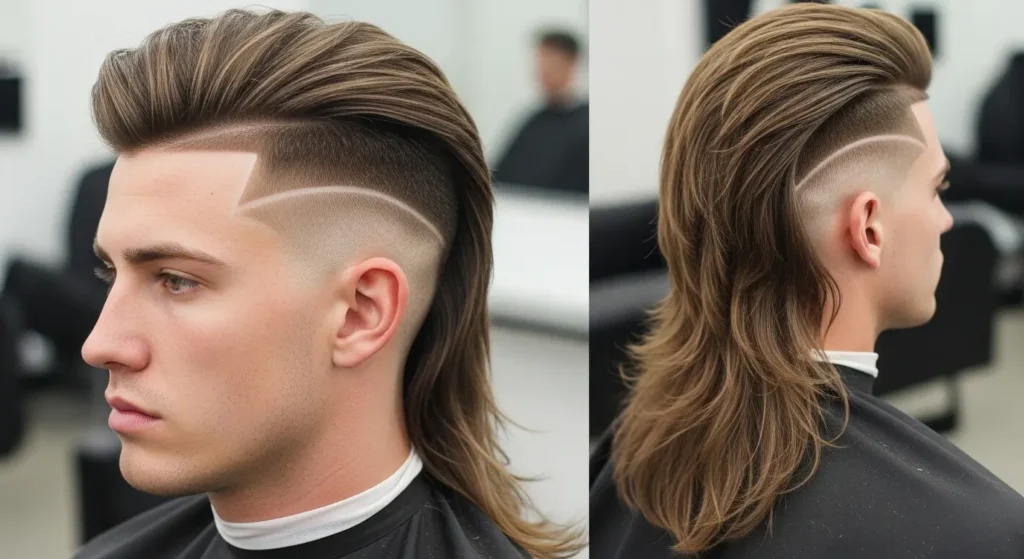
The low taper mullet has quietly become one of the most requested haircuts at barbershops, and it’s easy to see why. It takes the rebellious energy of the classic mullet and grounds it with a clean, subtle fade that keeps things wearable in everyday life. Whether you’re curious about trying it yourself or just want to understand why this cut keeps popping up on your social feeds, this guide breaks down everything worth knowing.
What Is a Low Taper Mullet?
A low taper mullet combines two distinct barbering techniques into one cohesive style. The “taper” part refers to how the hair gradually shortens near the neckline and ears, staying close to the skin without creating a sharp, high-contrast line. The word “low” tells you where that tapering begins — near the bottom of the head, rather than higher up like you’d see in a mid or high fade.
Then there’s the mullet element: shorter hair on the top, sides, and front, paired with noticeably longer hair left at the back and nape. The result is a haircut that reads as neat and controlled from the front, but has personality and movement once you turn around.
Unlike the exaggerated mullets of decades past, this modern take feels intentional rather than accidental. The low fade softens the transition between lengths, so the whole look feels tailored instead of thrown together.
Why the Low Taper Mullet Is Trending
Barbers have noticed a real shift in what clients are asking for, and this style sits right at the center of it. People want haircuts with character, but they also don’t want something that feels like a costume. The low taper mullet strikes that balance.
Part of the appeal comes from its versatility. Because the taper is subtle, this cut works in offices, at family gatherings, and on nights out without needing much adjustment. It doesn’t scream for attention the way a high-contrast mullet might, yet it still stands out enough to feel distinctive.
There’s also a nostalgia factor at play. Mullets originally rose to popularity decades ago, and their comeback taps into a broader trend of retro styles getting modern updates. Adding a taper is exactly that kind of update — it takes something familiar and makes it feel current.
Who Should Get a Low Taper Mullet?
Not every haircut suits every person, and it’s worth understanding whether this one is a good match before committing.
Face Shapes That Work Best
Oval and square face shapes tend to handle a low taper mullet exceptionally well, since the length at the back adds balance without overwhelming the features. Round faces can also pull it off, especially when the top is styled with some height to elongate the face visually. Those with longer face shapes may want to keep the back length moderate rather than dramatic, so the overall proportions stay in check.
Hair Types Suited for a Low Taper Mullet
Thick, straight hair holds the shape of a low taper mullet cleanly, making the transition between the tapered sides and the longer back look crisp. Wavy hair adds natural texture that suits this cut particularly well, giving the back section some movement without extra styling effort. Curly hair can absolutely work too, though it usually requires a skilled barber who understands how curls behave once cut, since curly strands shrink and reveal length differently than straight hair.
How to Ask Your Barber for a Low Taper Mullet
Communication makes or breaks any haircut, and the low taper mullet is no exception. Walking in and simply saying “mullet” can lead to results that are far more dramatic than intended, so specificity matters.
Start by mentioning the taper first — explain that you want a low fade around the sides and back, staying close to the skin near the ears and neckline. Then describe the length you want retained at the back. Some people prefer just an inch or two of extra length for a subtle mullet effect, while others want several inches for a bolder statement.
Bringing reference photos helps enormously here, since “long” and “short” mean different things to different people. A good barber will also ask about your hair type and daily styling habits before finalizing the exact shape, since a low taper mullet designed for a nine-to-five job looks different from one meant for someone who wants maximum edge.
Styling Tips for Maintaining Your Low Taper Mullet
Getting the haircut is only half the equation. Styling it well day to day keeps it looking sharp rather than messy.
For the top and front sections, a lightweight pomade or styling cream works best for adding texture without weighing hair down. Running product through damp hair and blow-drying with your fingers can create natural volume, which helps the shorter sections stand apart from the tapered sides.
The back length of a low taper mullet benefits from occasional sea salt spray, which enhances texture and prevents the hair from looking flat or greasy. If your hair is naturally straight, a light curling iron or texturizing spray can introduce some wave to the back, giving the whole style more visual interest.
Regular brushing or combing keeps the transition between the tapered sides and the longer back looking intentional rather than uneven. Skipping this step is one of the fastest ways to make a low taper mullet look unkempt.
Low Taper Mullet Variations
One of the best things about this haircut is how adaptable it is. Several variations let you customize the intensity and style to match your personality.
Curly Low Taper Mullet
For those with natural curls, this version leans into the texture rather than fighting it. The sides stay tapered and controlled, while the curls at the back are left to bounce freely, creating a striking contrast between structure and spontaneity.
Low Taper Mullet with Fade
Some people prefer combining a slightly more defined fade with the mullet shape, blending sharper lines near the ears with the softer taper elsewhere. This version tends to appeal to those who want a bit more edge without going too flashy.
Business-Front, Party-Back Approach
This playful nickname describes a low taper mullet where the front and top are kept short and polished, almost resembling a standard professional cut, while the back retains noticeable length. It’s a favorite among people who need to maintain a certain look for work but still want room for self-expression.
Common Mistakes to Avoid
Even a well-executed haircut can go wrong with poor upkeep or the wrong initial choices. A few common pitfalls come up again and again with the low taper mullet.
Choosing a barber unfamiliar with tapering techniques often leads to a fade that looks choppy or uneven rather than smooth. It’s worth asking beforehand whether your barber has experience with this specific style, since not every shop specializes in it.
Letting the back grow out for too long without a trim can throw off the balance of the entire cut, making it look more like an accident than a deliberate style. Regular maintenance visits keep the proportions in check.
Skipping styling products altogether is another mistake, since a low taper mullet relies on some texture and shape to look polished. Wearing it completely product-free can make the cut appear flat and less defined than intended.
Low Taper Mullet Maintenance Schedule
Because this haircut relies on a clean contrast between short and long sections, maintenance plays a bigger role than with many other cuts. Most people find that visiting the barber every three to four weeks keeps the taper looking fresh, since the shorter sides and top grow out faster than the length at the back.
Between visits, trimming stray hairs around the ears and neckline yourself can extend the time between professional cuts, though it’s wise to leave the actual tapering technique to a trained barber. The back length can typically go longer between trims, since the whole point of the style is to let it grow out gradually.
Conclusion
The low taper mullet has earned its popularity by offering something rare: a haircut bold enough to have personality, yet refined enough to fit into everyday life. Its combination of a subtle fade with longer back length gives people room to experiment while still looking put together. Whether you opt for a curly version, a business-front approach, or a more dramatic take on the length, this style proves that classic silhouettes can be reinvented for a modern audience. With the right barber and a bit of styling know-how, a low taper mullet can become a signature look rather than just another passing trend.