Photoacanhante: The Art of Capturing Shy Subjects
Subjects
Every photographer eventually meets a subject who freezes the moment a camera appears. A child hides behind a parent’s leg, a cat darts under the couch, an elderly relative waves the lens away with an embarrassed laugh. This is the world of photoacanhante, a term that describes the quiet, patient approach photographers use when working with timid, camera-shy, or easily startled subjects. It is less a technical skill than a mindset, one that blends empathy with craft to produce images that feel honest rather than forced.
Photoacanhante is not about tricking someone into a photo or catching them off guard in a way that feels invasive. It is about creating enough comfort and trust that the subject forgets the camera is even there. The result is often more powerful than a posed portrait, because it captures something real: a genuine smile, a moment of curiosity, a flicker of personality that only appears when a person or animal feels safe.
What Photoacanhante Really Means
The word itself suggests a fusion of photography and shyness, and that combination is the heart of the practice. Photoacanhante refers to the specific challenges and techniques involved in photographing subjects who are naturally reserved, nervous around cameras, or unaccustomed to being the center of attention. This can include shy children, anxious pets, wildlife in the distance, elderly people who feel self-conscious, or even adults who simply dislike having their picture taken.
Unlike traditional portrait photography, which often relies on direct instruction and eye contact with the lens, photoacanhante leans into indirect methods. The photographer becomes almost invisible, working from the edges of a scene rather than the center of it. This requires a different set of instincts than studio work, where control over lighting and posing dominates the process.
Why Shy Subjects Need a Different Approach
Not every subject responds well to a camera pointed directly at their face. Some people tense up, their smiles turn rigid, and their eyes lose the spark that made them interesting in the first place. Animals behave similarly, often bolting or hiding when they sense a lens tracking their movement. Photoacanhante exists precisely because these reactions are so common, and because forcing a shy subject into a conventional pose usually backfires.
When someone is uncomfortable in front of a camera, that discomfort shows in the final image no matter how skilled the photographer is with settings and composition. A stiff jaw, crossed arms, or averted eyes can undermine even the most technically perfect shot. The photoacanhante approach solves this by removing the pressure entirely, allowing the subject to exist naturally within the frame instead of performing for it.
Core Techniques Behind Photoacanhante Photography
Patience as the First Tool
Before any camera settings matter, patience has to come first. Rushing a shy subject almost always increases their discomfort. Skilled practitioners of photoacanhante spend time simply being present, letting the subject grow accustomed to their company before ever raising the camera. This might mean sitting quietly in a room with a nervous child for ten minutes, or waiting motionless near a skittish animal until it stops noticing the intrusion.
Using a Longer Lens
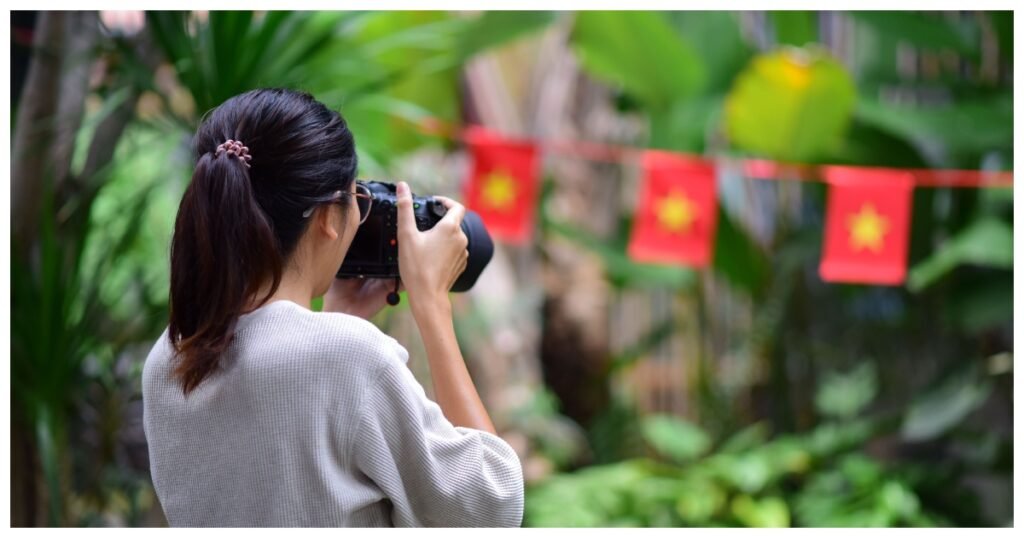
Physical distance plays a major role in this style of photography. A telephoto lens allows the photographer to stay far enough away that the subject doesn’t feel cornered or watched too closely. This distance is often the difference between a candid, relaxed expression and a guarded one. Many photographers who specialize in photoacanhante keep a mid-range zoom lens on hand specifically for this reason.
Letting the Subject Lead
Rather than directing poses, photoacanhante photographers often let the subject dictate the pace and movement of a session. A child might be encouraged to play instead of pose, an animal might be observed during its own routine, and an adult subject might simply be engaged in conversation while the photographer works quietly in the background. This shifts the dynamic from “being photographed” to “being present,” which tends to produce far more natural results.
Soft, Non-Intrusive Lighting
Harsh flash or bright studio lights can startle a shy subject and immediately break the fragile trust that’s been built. Natural window light, diffused outdoor light, or ambient indoor lighting tends to work best for photoacanhante sessions. The goal is to avoid any sudden change that might cause the subject to flinch or retreat.
Photoacanhante in Different Contexts
Family and Children’s Photography
Parents often hire photographers specifically because their child is too shy to smile on command. In these sessions, photoacanhante techniques shine. Instead of asking a child to “say cheese,” the photographer might blow bubbles nearby, play a quiet game, or simply wait for a genuine giggle to appear. These unscripted moments almost always outperform posed ones in terms of emotional impact.
Pet and Wildlife Photography
Animals cannot be instructed the way people can, which makes photoacanhante especially relevant in this field. A nervous rescue dog or a bird perched high in a tree requires the same principles of distance, patience, and stillness. Wildlife photographers have practiced a version of this approach for decades, often waiting hours for an animal to relax enough to reveal its natural behavior.
Portraits of Introverted Adults
Not every adult enjoys being photographed, and photoacanhante offers a respectful alternative to the typical studio session. By focusing on environmental portraits, candid interaction, or documentary-style shooting, photographers can capture introverted subjects without forcing them into an uncomfortable spotlight. This method has become increasingly popular among people who want authentic branding photos but dread traditional headshot sessions.
Common Mistakes That Undermine Photoacanhante
Even well-meaning photographers can accidentally break the trust required for this style of work. Moving too quickly toward a subject, using a loud shutter sound in a quiet setting, or repeatedly asking someone to “just relax” can all increase anxiety instead of reducing it. Another frequent mistake is chasing the perfect shot too aggressively, which turns a calm session into a stressful chase.
Successful photoacanhante work depends on reading body language carefully. A tensed shoulder, a turned head, or a pulled-back ear on an animal are all signals to slow down or step back. Ignoring these cues rarely leads to a better photograph and often ends the session early.
Equipment That Supports a Gentle Shooting Style
While photoacanhante is fundamentally about approach rather than gear, certain equipment choices make the process smoother. A camera with a quiet or silent shutter mode reduces startling noises. A lightweight telephoto lens allows for distance without sacrificing image quality. Some photographers also use continuous shooting modes to capture fleeting expressions that would otherwise be missed in the brief window before a shy subject looks away again.
Tripods can be useful for stability during long waiting periods, but they can also make a photographer appear more imposing or fixed in place. Many practitioners prefer handheld shooting for its flexibility, allowing them to adjust position subtly as the subject moves.
Building Trust Before the Camera Comes Out
One of the most overlooked aspects of photoacanhante is everything that happens before a single photo is taken. Introducing yourself calmly, explaining what to expect, and giving a shy subject control over the pace of the session all contribute to a more relaxed outcome. With children, this might mean letting them hold the camera briefly or look through the viewfinder first. With pets, it might mean offering treats and allowing free exploration of the space before any shooting begins.
This preparation phase is where the real work of photoacanhante happens. By the time the camera is actually in use, the goal is for the subject to have already forgotten it’s a big deal.
The Emotional Value of Photoacanhante Images
Photos captured through this gentle approach often carry a different kind of emotional weight than traditional portraits. They tend to feel like memories rather than performances, showing subjects as they truly are rather than how they think they should appear. Parents frequently treasure these images more than formal school photos, precisely because they reveal genuine personality instead of a rehearsed smile.
This emotional authenticity is what separates photoacanhante from standard photography practices. It requires more time and more sensitivity, but the payoff is a body of work that feels alive.
Tips for Practicing Photoacanhante Yourself
Anyone interested in developing this skill should start by slowing down their entire process. Spend more time observing than shooting. Choose lenses that allow distance without losing detail. Pay attention to lighting that won’t cause sudden glare or shadow shifts. Most importantly, treat every session as a relationship to build rather than a task to complete.
Practicing with willing family members or pets is a good way to refine these instincts before working with unfamiliar or more anxious subjects. Over time, photographers develop an intuitive sense for when to hold back and when a shy subject has finally relaxed enough for the shot.
Conclusion
Photoacanhante represents a thoughtful shift away from forceful, direction-heavy photography toward something quieter and more respectful. It asks photographers to prioritize comfort and trust over speed and control, and in return, it produces images that feel deeply human. Whether working with a nervous toddler, a timid rescue animal, or an adult who simply dislikes cameras, the principles remain the same: patience, distance, and genuine presence. Mastering photoacanhante takes practice, but the reward is a portfolio filled with moments that feel real, unforced, and quietly unforgettable.