Low Taper Fade With Textured Fringe: The Complete Guide
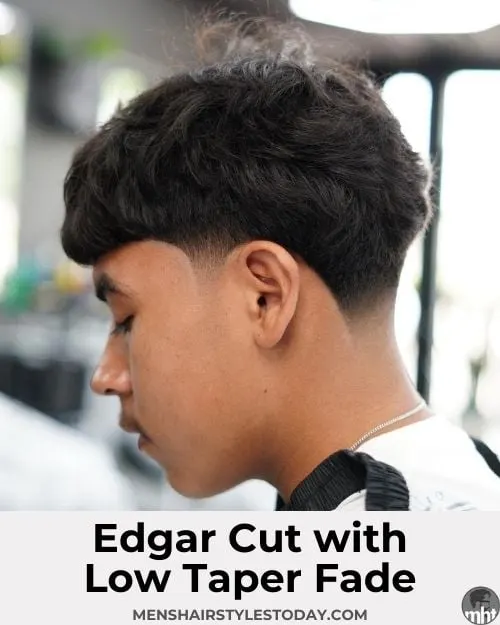
Choosing a new haircut can feel like a gamble, especially when trends shift as fast as they do today. One style that has managed to stay relevant season after season is the low taper fade with textured fringe. It blends the clean, controlled lines of a fade with the loose, effortless movement of a fringe, giving you a look that works in the boardroom and on a night out. If you have been scrolling through barber inspiration photos wondering what to ask for next, this guide breaks down everything you need to know.
What Exactly Is a Low Taper Fade With Textured Fringe
A taper fade is a haircut where the hair gradually shortens as it moves down toward the neckline and ears, creating a smooth transition rather than a harsh line. The word “low” refers to where that fade begins. Instead of starting high on the head like a skin fade or a high fade, the tapering starts closer to the ears and the bottom of the hairline. This keeps more length and volume on top of the head, which is exactly where the fringe comes in.
The fringe itself sits at the front of the hairstyle, falling forward over the forehead. When it is textured, it means the ends have been cut with a razor or thinning shears to remove bulk and create a piecey, broken-up finish rather than one thick, blunt curtain of hair. The result is a hairstyle that looks tidy around the sides and back while staying soft, natural, and full of movement up top.
This combination has become one of the most requested cuts in barbershops because it manages to be both low-maintenance and stylish at the same time. It does not shout for attention, yet it still has enough personality to stand out.
Why Barbers and Clients Keep Choosing This Cut
There are a few reasons this particular style has held its ground while other trends fade in and out. First, it suits nearly every hair type. Whether your hair is straight, wavy, curly, or coily, a skilled barber can adapt the fringe length and texture to work with your natural pattern instead of fighting against it.
Second, the low taper fade with textured fringe offers versatility that a lot of other cuts simply cannot match. You can push the fringe to one side for a slightly more formal appearance, let it fall straight down for a casual, tousled look, or spike it up for something bolder. The sides stay neat no matter how you style the top, which means the haircut always looks intentional even on a lazy morning.
Third, it grows out gracefully. Because the fade is low rather than high, there is less contrast between the shortest and longest sections of hair. This means you are not stuck making weekly barber trips just to keep the style sharp. A low taper fade with textured fringe can go three to five weeks between cuts and still look presentable, which is a real advantage for people with busy schedules.
Who This Hairstyle Actually Suits
Face Shapes That Benefit Most
One of the underrated strengths of this cut is how adaptable it is across different face shapes. Round faces tend to benefit from added height and texture on top, which a textured fringe naturally provides, since it draws the eye upward and creates the illusion of length. Square faces can soften sharp jawlines with the gentle, broken edges of a textured fringe rather than a rigid, blunt one. Oval and oblong faces have the most flexibility here, since almost any fringe length will complement their proportions.
Even those with rounder or fuller faces can wear a low taper fade with textured fringe successfully by asking their barber to keep slightly more length on the sides, which balances out the lower fade and avoids making the face look wider.
Hair Types That Work Well
Straight hair holds a crisp fringe shape and shows off the taper lines clearly, making it a strong candidate for this style. Wavy hair adds natural texture that pairs beautifully with the piecey finish, often requiring less product to achieve that lived-in look. Curly and coily hair can absolutely pull off this cut too, though the fringe may need a bit more length to account for shrinkage, and a barber experienced in cutting curls should handle the texturizing to avoid unwanted frizz.
Thin or fine hair also benefits from this style because the textured technique removes weight without removing volume, making the hair appear thicker than it actually is.
How to Communicate This Cut to Your Barber
Walking into a barbershop with the right words can make all the difference between getting exactly what you pictured and leaving disappointed. When you sit down in the chair, be specific. Say clearly that you want a low taper fade with textured fringe, and point out on your own head roughly where you want the fade to begin, usually just above the ear.
It helps to bring a reference photo, since “textured fringe” can mean different things depending on the barber’s interpretation. Some might lean toward a heavily razored, choppy fringe, while others might keep it softer with just enough texturizing to remove bulk. Discuss the length you want on top before any cutting begins, since this determines how much texture and movement the fringe will ultimately have.
Also mention your hair type and any styling habits. If you rarely use product, ask for a cut that looks good with minimal styling. If you love experimenting with different looks, request a bit of extra length so you have more versatility.
Styling Tips for Everyday Wear
Getting the cut is only half the job. Styling it correctly at home is what makes a low taper fade with textured fringe look as good on day fourteen as it did on day one. Start with towel-dried hair rather than fully dry or dripping wet hair, since this gives product the best chance to distribute evenly.
A small amount of matte clay or a lightweight styling cream works well for most hair types. Rub it between your palms first, then work it through the fringe using your fingers rather than a comb, since fingers create a more natural, textured finish. If you want extra hold, a light-hold hairspray can lock the shape in place without making it look stiff or crunchy.
For those with straighter hair who want more volume, blow-drying the fringe upward and away from the face before pushing it back down with your fingers adds lift at the root. Wavy and curly types often need less heat styling and can simply scrunch a curl cream through damp hair before letting it air dry.
Avoid overloading the sides with product, since the tapered section is meant to stay smooth and understated. The contrast between a textured top and a clean, low-key fade is what gives this haircut its signature appeal.
Maintenance and Upkeep
Even though a low taper fade with textured fringe is more forgiving than higher fades, it still needs regular attention to look its best. Plan for a trim every three to four weeks to keep the fade lines crisp and the fringe from growing too heavy. When the fringe gets too long, it loses that light, textured movement and starts to weigh down over the forehead instead of falling naturally.
Washing your hair two to three times a week with a gentle shampoo helps prevent product buildup, which can make textured hair look greasy or flat. On non-wash days, a dry shampoo can refresh the roots and maintain volume.
If you are growing your hair out between appointments, ask your barber to blend the taper slightly higher during touch-ups so the transition stays smooth rather than creating an awkward, patchy grow-out phase.
Popular Variations to Consider
Not everyone wants the exact same version of this haircut, and that is part of its appeal. Some people prefer a low taper fade with textured fringe paired with a hard part, which adds a defined line separating the fringe from the sides for a slightly sharper, more polished look. Others combine it with a subtle curtain fringe, parting the hair in the center and letting both sides fall gently across the forehead.
For those wanting a bit more edge, adding a disconnected element between the fringe and the fade creates a striking contrast, though this requires more frequent maintenance to keep the disconnect looking deliberate rather than messy. Meanwhile, a fully blended low taper fade with textured fringe remains the safest and most universally flattering option, especially for first-timers trying this style for the first time.
Final Thoughts
The low taper fade with textured fringe continues to earn its popularity because it checks nearly every box a modern haircut should. It is adaptable across face shapes and hair textures, it grows out without losing its shape, and it offers enough styling variety to match nearly any occasion. Whether you are after a subtle refresh or a noticeable change, this cut delivers a balance of sharpness and softness that few other hairstyles achieve so effortlessly. Bring the right reference photos, communicate clearly with your barber, and commit to a simple maintenance routine, and you will have a haircut that looks intentional every single day.